Mining
Atupele urges Govt to reform mining sector to attract investment
September 12, 2026 / Chisomo Phiri
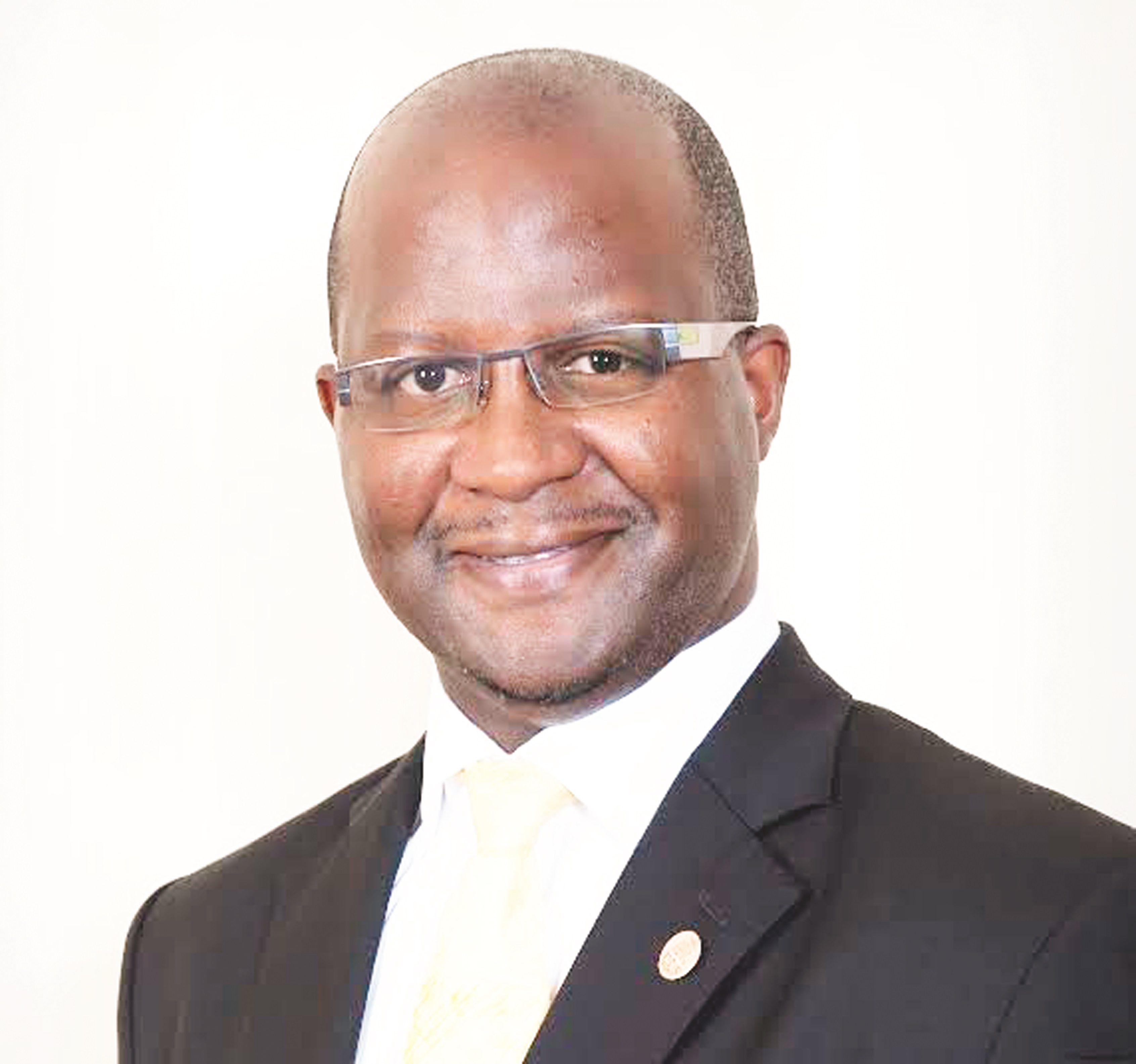
United Democratic Front (UDF) President Atupele Muluzi Government has called on Malawi to undertake bold reforms in the mining sector to attract more investment, saying increased mineral exports could help address the country's foreign exchange shortages, create jobs and stimulate economic growth.
Muluzi made the remarks in an interview with Mining and Trade Review reflecting his participa- tion in the Critical Minerals Dia- logue held at the Royal Zambezi in Zambia last year, where gov- ernment officials, investors and global mining companies dis- cussed strategies for expanding investment in the mining sector amid growing global demand for critical minerals.
He said the meeting provided valuable lessons on how Zambia has positioned itself to benefit from the global critical minerals boom through policies aimed at attracting private investment.
Muluzi said he was particularly impressed by Zambian President Hakainde Hichilema's business- first approach, which recognises private capital as a key driver of job creation, infrastructure devel- opment and economic growth.
He also said he had the oppor- tunity to engage with interna- tional mining companies, including First Quantum Miner- als, where he learned about the reforms needed to attract serious investment into the mining indus- try.
He said Malawi should reposi- tion its mining sector to attract exploration activities, arguing that exploration brings invest- ment into the economy and cre- ates opportunities to ease foreign exchange challenges while gener- ating employment and boosting economic activity.
Muluzi said investors are look- ing for confidence that their in- vestments will be protected through predictable and consis- tent policies, reduced bureau- cracy and an environment free from corruption and bribery.
He observed that the era of re- lying heavily on foreign aid and development assistance is gradu- ally coming to an end, with coun- tries increasingly competing for investment and trade opportuni- ties.
He said Malawi has significant mineral potential but requires pol- icy consistency, investor confi- dence and economic reforms to unlock the sector's full potential and drive sustainable develop- ment.
Commenting on Muluzi's sentiments, mining engineer Dennis Mkandawire said the UDF leader h raised important issues on pol- icy consistency and investor con- fidence but argued that there are also other critical areas that re- quire urgent attention.
"Atupele Muluzi raises impor- tant points on policy consistency and investor confidence, but his argument overlooks other critical gaps such as Artisanal and Small- scale Mining (ASM) formalisa- tion and infrastructure development," said Mkandawire.
He said Malawi's mining sector is largely dominated by ASMs operating outside formal struc- tures, therefore formalising the sector could generate immediate foreign exchange earnings, em- ployment opportunities and local revenue without waiting for large multinational mining companies
Mkandawire also argued that inadequate infrastructure remains one of the biggest obstacles to at- tracting serious mining invest- ment.
"No serious investors will com- mit capital where they cannot ac- cess reliable power or move goods to market," he said.
Mining is one of the priority sectors under Malawi Vision 2063, with the government tar- geting it as a key driver of eco- nomic growth, job creation and foreign exchange earnings.
Although the sector currently contributes only a staggering 1% to the country's Gross Domestic Product (GDP), Malawi is en- dowed with a variety of mineral resources, including rare earth el- ements, graphite, uranium, coal, limestone, rutile, bauxite and gemstones.
Malawi has only a signle large scale mine, the Kayelekera Uraninium Mine in Karonga in operation. However, studies have been completed on large deposits including Kasiya Rutile-Graphite in Lilongwe, Kanyika Niobium- Tantalum in Mzimba, Kan- gankunde Rare Earths in Balaka and Songwe Hill Rare Earths in Phalombe.
Share this:
Leave a Comment
Comments
Mining & Trade Review News

Agribusiness News

Subscribe to Newsletter
Rehabilitation:
The establishment of a stable and self-sustaining ecosystem, but not necessarily the one that existed before mining began. In many cases, complete restoration may be impossible, but successful remediation, reclamation, and rehabilitation can result in the timely establishment of a functional ecosystem.
Archives
Remediation:
The cleanup of the contaminated area to safe levels by removing or isolating contaminants. At mine sites, remediation often consists of isolating contaminated material in pre-existing tailings storage facilities, capping tailings and waste rock stockpiles with clean topsoil, and collecting and treating any contaminated mine water if necessary.
Stakeholders Logos